
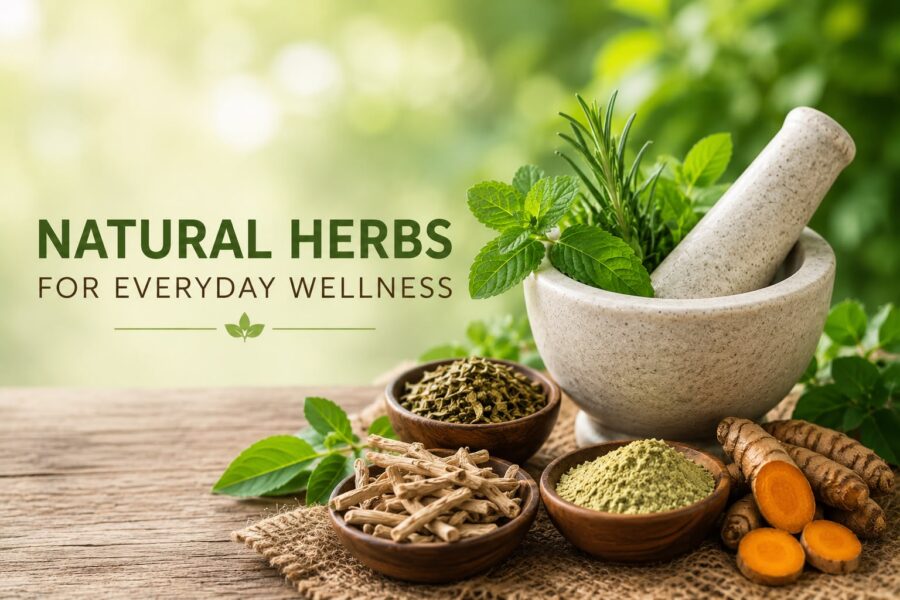
In today’s fast-paced lifestyle, people are becoming increasingly interested in natural ways to support their everyday wellness. From traditional herbs and plant-based ingredients to herbal teas and natural wellness products, herbs have been part of daily routines for centuries.
Traditional herbal practices are especially valued for their connection with nature and their long history of use across different cultures. At James Wild Herbs, we believe in bringing the goodness of traditional herbal ingredients into modern lifestyles through thoughtfully prepared herbal products.
What Are Herbal Ingredients?
Herbal ingredients are derived from plants, including their leaves, roots, stems, flowers, seeds, fruits, and bark. Different herbs have traditionally been used in food, beverages, personal care, and wellness routines.
Many herbs are naturally rich in various plant compounds, which is one reason they have remained popular for generations.
However, herbal products should not automatically be considered a replacement for medical treatment. Their use should be appropriate to the individual, and people with medical conditions or those taking medicines should consult a qualified healthcare professional before using concentrated herbal supplements.
Why Are Herbs Popular Today?
The growing interest in herbs is closely connected with the increasing focus on natural and mindful living.
Some common reasons people include herbs in their lifestyle include:
- Connection With Traditional Practices
Many herbs have a long history of traditional use. Families and communities have passed herbal knowledge from one generation to another.
- Plant-Based Lifestyle
People looking for plant-based options often explore herbs as part of their daily routines.
- Simple Wellness Habits
Herbal teas, traditional preparations, and other herbal products can become part of simple daily self-care routines.
- Interest in Natural Ingredients
Consumers are increasingly interested in understanding what goes into the products they use. Natural herbs and plant-based ingredients are therefore receiving more attention.
Popular Herbs Used in Traditional Wellness
There are many herbs commonly found in traditional wellness practices. Each has its own history, preparation methods, and traditional uses.
Ashwagandha
Ashwagandha is a traditional Ayurvedic herb that has been used for generations. It is commonly found in powders, capsules, and other herbal preparations.
Turmeric
Turmeric is widely used in Indian households and traditional practices. Its bright yellow color and distinctive flavor make it a familiar kitchen ingredient as well as a traditional herbal ingredient.
Amla
Amla, also known as Indian gooseberry, has a long history in Ayurveda. It is commonly consumed in different forms, including powder, juice, and traditional preparations.
Giloy
Giloy is another well-known herb traditionally used in Ayurveda. It is available in several forms and has become popular among people interested in traditional herbal wellness.
Neem
Neem has been traditionally valued for generations and is commonly used in personal care and traditional preparations.
How to Include Herbs in Your Daily Routine
Adding herbs to your lifestyle does not always have to be complicated. Depending on the herb and product form, people may incorporate them into their routine in simple ways.
Herbal Tea
Some herbs can be prepared as herbal teas. This can be a relaxing addition to a morning or evening routine.
Herbal Powders
Certain herbs are available in powdered form and can be used according to the manufacturer’s recommended serving instructions.
Herbal Capsules
For convenience, some people prefer capsules or tablets because they can easily fit into a daily routine.
Traditional Food Preparations
Some herbs and spices can naturally be incorporated into everyday cooking.
The appropriate method depends on the specific herb, its preparation, and the intended use.
Choosing Good Quality Herbal Products
Not all herbal products are necessarily the same. When selecting a herbal product, it is useful to pay attention to its ingredients, labeling, storage instructions, and recommended usage.
Consider the following points:
- Check the ingredient list carefully.
- Look for clear product labeling.
- Follow the recommended serving or usage instructions.
- Check the manufacturing and expiry information.
- Store the product according to the instructions.
- Choose products from a brand that provides transparent information about its ingredients.
Quality and responsible sourcing are important considerations when choosing herbal products for everyday use.
Why Responsible Herbal Use Matters
Natural does not always mean suitable for everyone. Herbs can contain biologically active compounds, and some may interact with medicines or may not be appropriate during pregnancy, breastfeeding, or certain medical conditions.
If you take prescription medicines, have an existing health condition, or are unsure whether an herbal product is suitable for you, speak with a healthcare professional before using it.
It is also important to follow the recommended dosage rather than assuming that taking more will provide greater benefits.
James Wild Herbs – Bringing Traditional Herbs to Modern Lifestyles
At James Wild Herbs, our focus is on herbal and plant-based products designed with an appreciation for traditional ingredients and modern consumer needs.
We believe that choosing herbal products should be a simple and informed experience. That’s why understanding ingredients, product information, recommended usage, and quality is an important part of building a responsible wellness routine.
Whether you are exploring traditional herbs for the first time or already include herbal products in your daily lifestyle, choosing carefully and using them responsibly can help you make more informed decisions.
Final Thoughts
Herbs have remained an important part of traditional wellness practices for centuries. Today, their popularity continues as more people explore plant-based ingredients and natural lifestyle choices.
From familiar kitchen herbs and spices to traditional Ayurvedic ingredients, there are many ways to learn about and incorporate herbs into everyday life.
The key is to focus on quality, responsible use, informed choices, and consistency rather than expecting a single herb or product to solve every wellness concern.
With the right approach, traditional herbal ingredients can become an interesting part of a balanced and mindful lifestyle.
Frequently Asked Questions
Are herbal products safe for everyone?
Not necessarily. Safety depends on the specific herb, dosage, individual health conditions, and medications. Always check the product instructions and consult a healthcare professional when appropriate.
Can herbs replace medicines?
Herbal products should not be considered automatic replacements for prescribed medicines or professional medical treatment.
How should herbal products be stored?
Follow the storage instructions provided on the product packaging. Many herbal products should be kept in a cool, dry place away from direct sunlight.
Can I use multiple herbal products together?
Combining several herbs may not always be appropriate because some ingredients can interact with each other or with medicines. If you are unsure, consult a qualified healthcare professional.
How do I choose a good herbal product?
Look for clear ingredient information, proper labeling, usage instructions, manufacturing details, and a reputable brand that provides transparent product information.