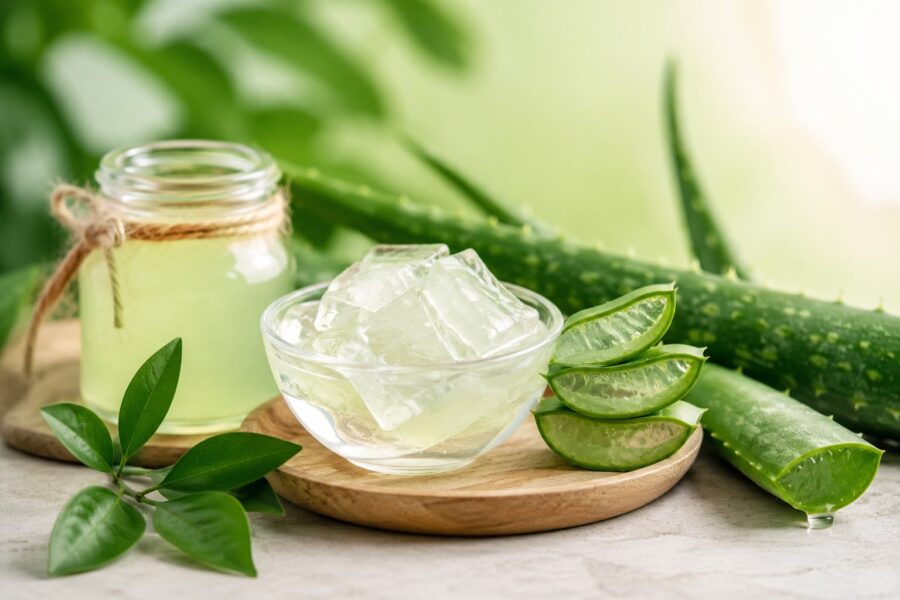
Aloe vera is one of the most popular plants in traditional wellness and skincare. Known for its naturally soothing properties, aloe vera has been used for generations in beauty routines, hair care and traditional wellness practices. Today, aloe vera is available in many forms, including fresh gel, aloe vera juice, powders, gels and herbal products.
From supporting a simple skincare routine to helping maintain healthy-looking hair, aloe vera has become a popular natural ingredient for people looking for plant-based wellness options.
In this detailed guide, we will explore the traditional uses and potential benefits of aloe vera for skin, hair and digestive wellness, along with different ways to incorporate it into your daily routine.
What Is Aloe Vera?
Aloe vera is a succulent plant with thick, fleshy leaves that contain a clear gel. The gel is naturally rich in water and contains various plant compounds.
The inner gel of the aloe vera leaf is commonly used in skincare and cosmetic products. Aloe vera has also traditionally been used in wellness preparations, although products intended for internal consumption should be prepared and processed appropriately.
It is important to understand that aloe vera products are not all the same. Products made from purified inner-leaf gel can differ significantly from products containing latex or whole-leaf extracts.
Why Is Aloe Vera So Popular?
Aloe vera has become popular because of its versatility. A single plant is associated with several traditional applications, particularly:
- Skin hydration and soothing
- Supporting a healthy-looking complexion
- Hair and scalp care
- Traditional digestive wellness
- Natural personal-care routines
- Herbal and plant-based beauty products
Its lightweight gel texture also makes it convenient to include in everyday skincare and hair-care routines.
Aloe Vera Benefits for Skin
Aloe vera is especially well known for topical skincare. Its high water content and soothing feel make aloe vera gel a popular ingredient in moisturizers, face gels, after-sun products and other personal-care formulations.
- Helps Keep Skin Hydrated
One of the most common uses of aloe vera gel is providing lightweight hydration.
Unlike some heavier creams, aloe vera gel generally feels light on the skin. This makes it appealing for people who prefer a non-greasy skincare product.
Regular moisturization can help maintain the skin barrier and keep skin feeling soft and comfortable.
- Soothes Dry and Irritated-Looking Skin
Aloe vera is traditionally valued for its cooling and soothing sensation.
Applying a suitable aloe vera gel to the skin may help provide temporary comfort when the skin feels dry, tight or irritated.
For this reason, aloe vera is commonly found in products designed for use after sun exposure.
However, aloe vera should not be considered a replacement for medical treatment for burns, severe irritation or significant skin conditions.
- Supports a Healthy-Looking Complexion
Healthy skin requires hydration and consistent care. Aloe vera can be included in a simple skincare routine to help maintain a fresh and hydrated appearance.
Its gel-like texture makes it particularly convenient for use as part of a morning or evening routine.
- May Help With the Appearance of Dry Skin
Dry skin can sometimes appear rough, flaky or dull. Using an appropriate moisturizer containing aloe vera can help improve the skin’s moisture levels and make it feel smoother.
For best results, aloe vera can be combined with a broader skincare routine that includes gentle cleansing and regular moisturizing.
- A Popular Ingredient for After-Sun Skincare
Aloe vera has long been associated with after-sun care because of its cooling and soothing feel.
Many people apply aloe vera-based products after spending time outdoors. However, aloe vera does not replace sunscreen, and it should not be relied upon to prevent sun damage.
Using broad-spectrum sunscreen and limiting excessive sun exposure remain important parts of sun protection.
Aloe Vera Benefits for Hair
Aloe vera is not only popular for skin care. It is also widely used in hair and scalp products.
Because aloe vera contains water and has a lightweight texture, it can be useful in hair-care routines focused on maintaining a clean, hydrated and comfortable scalp.
- Helps Keep the Scalp Hydrated
A dry scalp can feel uncomfortable and may sometimes appear flaky.
Aloe vera-based scalp products can provide moisture and a soothing sensation. Maintaining scalp hydration can be especially useful during dry weather.
- Supports Healthy-Looking Hair
Healthy-looking hair starts with proper hair and scalp care.
Aloe vera can be used as a conditioning ingredient in hair masks and hair products. Its lightweight nature makes it suitable for people who do not like heavy oils or greasy products.
- Helps Make Hair Feel Softer
Aloe vera gel can be incorporated into homemade or commercial hair-care products to provide a conditioning effect.
When used appropriately, it may help hair feel smoother and more manageable.
- Can Be Used in Scalp-Care Routines
Aloe vera can be applied to the scalp as part of a simple personal-care routine.
A small amount of suitable aloe vera gel can be gently applied to the scalp, left for a short period and then washed according to the product instructions.
People with sensitive scalps should always perform a patch test before applying a new product more extensively.
- Helps Maintain a Fresh Hair-Care Routine
Aloe vera is often combined with other botanical ingredients in hair-care formulations.
Rather than relying on one ingredient for hair growth or hair loss, it is better to focus on overall hair care, adequate nutrition and proper scalp hygiene.
Aloe Vera and Digestive Wellness
Aloe vera has also been traditionally associated with digestive wellness.
However, this area requires more caution than topical use because not every aloe vera product is suitable for consumption.
The clear inner-leaf gel and aloe latex are different parts of the plant. Aloe latex contains compounds that can have a strong laxative effect and may cause abdominal cramps, diarrhea and other problems.
Therefore, people should not consume raw aloe latex or homemade whole-leaf preparations without professional guidance.
If choosing an aloe vera product for internal use, always select a product specifically manufactured and labeled for oral consumption and follow its instructions.
- Traditional Digestive Use
Aloe vera has a long history of traditional use in digestive preparations.
Some aloe products are marketed for digestive wellness, but evidence for many claimed digestive benefits is limited or depends heavily on the specific preparation used.
It is therefore better to view aloe vera as one possible component of a wellness routine rather than a treatment for digestive disorders.
- Importance of the Right Aloe Vera Product
The type of aloe product matters significantly.
A product intended for external use should not automatically be consumed. Similarly, a product designed for oral consumption should be used according to its label.
Look for clearly stated information regarding:
- Ingredients
- Intended use
- Processing method
- Recommended serving
- Storage instructions
- Manufacturer information
- Aloe Vera Is Not a Treatment for Digestive Diseases
Aloe vera should not be used as a substitute for professional medical care for conditions such as persistent constipation, abdominal pain, ulcers, inflammatory bowel disease or unexplained digestive symptoms.
If digestive symptoms continue or become severe, consult a qualified healthcare professional.
How to Use Aloe Vera for Skin
Aloe vera can be incorporated into a skincare routine in several simple ways.
Aloe Vera Gel
Apply a small amount of suitable aloe vera gel to clean skin. Allow it to absorb and follow with moisturizer if needed.
Face Routine
A simple routine can include:
- Gentle cleanser
- Aloe vera-based gel
- Moisturizer
- Sunscreen during the daytime
Body Care
Aloe vera gel can also be applied to areas of dry skin on the body.
Always follow the instructions of the particular product you are using.
How to Use Aloe Vera for Hair
Aloe vera can be incorporated into hair care through gels, masks and formulated shampoos or conditioners.
A simple routine may involve:
- Apply a suitable aloe vera hair or scalp product.
- Massage gently without scratching the scalp.
- Leave it according to the product instructions.
- Rinse thoroughly if required.
- Follow with your regular shampoo or conditioner.
Avoid using products that contain ingredients that irritate your scalp.
Aloe Vera for Different Skin Types
Oily Skin
People with oily skin often prefer lightweight, non-greasy products. Aloe vera gel may be a convenient option because of its light texture.
However, aloe vera alone does not control all causes of oily skin.
Dry Skin
Aloe vera can provide hydration, but very dry skin may need a richer moisturizer to help maintain the skin barrier.
Using aloe vera underneath a suitable moisturizer can be a useful approach.
Sensitive Skin
Sensitive skin requires extra care. Even natural ingredients can cause irritation or allergic reactions in some people.
Always perform a patch test before applying a new aloe vera product over a large area.
Aloe Vera Gel vs. Aloe Vera Juice
These products are not interchangeable.
Aloe vera gel is commonly used externally for skincare and hair care.
Aloe vera juice is intended for internal consumption when specifically manufactured and labeled for that purpose.
The processing and ingredients can vary considerably between products, so always check the label.
How to Choose a Good Aloe Vera Product
With so many aloe vera products available, choosing the right one can be confusing.
Here are some things to consider:
- Check the Ingredients
Look at the ingredient list rather than relying only on the word “natural” on the packaging.
- Choose According to Intended Use
Aloe vera products for skin, hair and oral consumption are formulated differently.
- Avoid Unnecessary Additives
If you have sensitive skin, you may prefer products with simpler formulations and fewer potential irritants such as strong fragrances.
- Check the Packaging
Choose products with clear labeling, manufacturer details and usage instructions.
- Follow Storage Instructions
Some aloe vera products require specific storage conditions. Always follow the instructions on the packaging.
Aloe Vera in a Natural Wellness Routine
Aloe vera can be a useful botanical ingredient, but it works best as part of a broader wellness routine.
For healthy skin and hair, focus on:
- Drinking adequate water
- Eating a balanced diet
- Getting sufficient protein and essential nutrients
- Maintaining regular sleep
- Protecting skin from excessive sun exposure
- Using gentle personal-care products
- Keeping the scalp clean
- Avoiding excessive heat and harsh chemical treatments
No single herb or plant can replace a balanced lifestyle.
Precautions When Using Aloe Vera
Although aloe vera is commonly used, it is not suitable for everyone.
Before using aloe vera topically, perform a patch test. Stop using it if you develop redness, itching, swelling or burning.
For internal use, extra caution is important. Aloe latex and some whole-leaf preparations can have laxative effects and may cause adverse reactions.
People who are pregnant, breastfeeding, taking regular medicines or dealing with a medical condition should consult a healthcare professional before consuming aloe vera products.
Children should not be given aloe vera products for internal use unless advised by an appropriate healthcare professional.
Frequently Asked Questions
Is aloe vera good for skin?
Aloe vera is commonly used in skincare because it can provide hydration and a soothing sensation. It can be a useful ingredient in a regular skincare routine.
Can aloe vera be used on hair?
Yes. Aloe vera is commonly used in hair and scalp products and can help hair and scalp feel moisturized and refreshed.
Does aloe vera make hair grow faster?
There is not enough reliable evidence to say that aloe vera directly causes faster hair growth. Hair growth depends on many factors, including genetics, nutrition, hormones and scalp health.
Can aloe vera be used every day?
A suitable topical aloe vera product can often be incorporated into a daily skincare routine if your skin tolerates it. Always follow the product’s instructions.
Can aloe vera be consumed?
Some specially processed aloe vera products are manufactured for oral consumption. However, not all aloe products are safe to drink. Aloe latex and certain whole-leaf preparations can cause adverse effects, so choose only products specifically labeled for oral use.
Is aloe vera suitable for sensitive skin?
It may be, but sensitive skin can react to almost any ingredient. Perform a patch test before wider application.
Final Thoughts
Aloe vera is a versatile botanical ingredient with a long history of traditional use. Its soothing and hydrating properties have made it especially popular in skincare and hair care, while certain specially processed preparations are also used in traditional digestive wellness.
The key is choosing the right aloe vera product for the intended purpose and using it responsibly.
For skincare and hair care, aloe vera can be a simple addition to a daily routine. For internal use, however, product quality, processing and dosage are particularly important.
At James Wild Herbs, we believe that natural wellness begins with understanding the herbs and botanical ingredients we choose and using them thoughtfully as part of a balanced lifestyle.